Friday, 22 August 2014

Emergency department nurses aren’t like the rest of us: New study

Emergency department nurses aren’t like the rest of us – they are more extroverted, agreeable and open – attributes that make them successful in the demanding, fast-paced and often stressful environment of an emergency department, according to a new study by University of Sydney.
“Emergency nurses are a special breed,” says Belinda Kennedy from Sydney Nursing School, a 15 year critical care veteran who led the study.
“Despite numerous studies about personalities of nurses in general, there has been little research done on the personalities of nurses in clinical specialty areas.
“My years working as a critical care nurse has made me aware of the difficulty in retaining emergency nurses and I have observed apparent differences in personality among these specialty groups. This prompted me to undertake this research which is the first on this topic in more than 20 years.
“We found that emergency nurses demonstrated significantly higher levels of openness to experience, agreeableness, and extroversion personality domains compared to the normal population.
“Emergency departments (ED) are a highly stressful environment – busy, noisy, and with high patient turnover. It is the entry point for approximately 40 per cent of all hospital admissions, and the frequency and type of presentations is unpredictable.
“Emergency nurses must have the capacity to care for the full spectrum of physical, psychological and social health problems within their community.
“They must also able to develop a rapport with individuals from all age groups and socioeconomic and cultural backgrounds, in time-critical situations and often at a time when these individuals are at their most vulnerable.
“For these reasons, ED staff experience high levels of stress and emotional exhaustion, so it’s understandable that it takes a certain personality type to function in this working environment.
“Our research findings have potential implications for workforce recruitment and retention in emergency nursing.
“With ever-increasing demands on emergency services it is necessary to consider how to enhance the recruitment and retention of emergency nurses in public hospitals. Assessment of personality and knowledge of its influence on specialty selection may assist in improving this.

“The retention of emergency nurses not only has potential economic advantages, but also a likely positive impact on patient care and outcomes, as well as improved morale among the nursing workforce.”
 

Reading ‘Fifty Shades’ linked to unhealthy behaviors


Young adult women who read “Fifty Shades of Grey” are more likely than nonreaders to exhibit signs of eating disorders and have a verbally abusive partner, finds a new study led by a Michigan State University researcher.


Further, women who read all three books in the blockbuster “Fifty Shades” erotic romance series are at increased risk of engaging in binge drinking and having multiple sex partners.
All are known risks associated with being in an abusive relationship, much like the lead character, Anastasia, is in “Fifty Shades,” said Amy Bonomi, the study’s lead investigator. And while the study did not distinguish whether women experienced the health behaviors before or after reading the books, it’s a potential problem either way, she said.
“If women experienced adverse health behaviors such as disordered eating first, reading ‘Fifty Shades’ might reaffirm those experiences and potentially aggravate related trauma,” said Bonomi, chairperson and professor in MSU’s Department of Human Development and Family Studies.
“Likewise, if they read ‘Fifty Shades’ before experiencing the health behaviors seen in our study, it’s possible the books influenced the onset of these behaviors.”
The study, which appears in the Journal of Women’s Health, is one of the first to investigate the relationship between health risks and reading popular fiction depicting violence against women. Past research has tied watching violent television programs to real-life violence and antisocial behaviors, as well as reading glamour magazines to being obsessed with body image.
The researchers studied more than 650 women aged 18-24, a prime period for exploring greater sexual intimacy in relationships, Bonomi said. Compared to participants who didn’t read the book, those who read the first “Fifty Shades” novel were 25 percent more likely to have a partner who yelled or swore at them; 34 percent more likely to have a partner who demonstrated stalking tendencies; and more than 75 percent more likely to have used diet aids or fasted for more than 24 hours.
Those who read all three books in the series were 65 percent more likely than nonreaders to binge drink – or drink five or more drinks on a single occasion on six or more days per month – and 63 percent more likely to have five or more intercourse partners during their lifetime.
Bonomi, who has a doctoral degree in health services and a master’s in public health, said she is not suggesting the book be banned or that women should not be free to read whatever books they wish or to have a love life.
However, it’s important women understand that the health behaviors assessed in the study are known risk factors for being in a violent relationship. Toward that end, Bonomi said parents and educators should engage kids in constructive conversations about sexuality, body image and gender role expectations – and that these conversations start as early as grade school.
Prevention programs can also be beneficial, such as Safe Dates, which targets abuse prevention through relationship skills training and gender role examination.
Finally, kids and young adults should be taught to consume fiction, television, movies, magazines and other mass media with a critical eye, Bonomi said.
“We recognize that the depiction of violence against women in and of itself is not problematic, especially if the depiction attempts to shed serious light on the problem,” Bonomi said. “The problem comes when the depiction reinforces the acceptance of the status quo, rather than challenging it.”
A previous study led by Bonomi found that “Fifty Shades” perpetuated the problem of violence against women.
Bonomi’s co-authors on the new study are Julianna Nemeth, Lauren Altenburger, Anastasia Snyder and Irma Dotto from Ohio State University and Melissa Anderson from the Group Health Research Institute in Seattle.

The “Fifty Shades” series has sold more than 100 million copies worldwide. A movie adaptation is scheduled for release in early 2015.

Confirmed: 800 meters beneath Antarctic ice sheet, subglacial lake holds viable microbial ecosystems

In a finding that has implications for life in other extreme environments, both on Earth and elsewhere in the solar system, researchers funded by the National Science Foundation (NSF) this week published a paper confirming that the waters and sediments of a lake that lies 800 meters (2,600 feet) beneath the surface of the West Antarctic ice sheet support “viable microbial ecosystems.”
Given that more than 400 subglacial lakes and numerous rivers and streams are thought to exist beneath the Antarctic ice sheet, such ecosystems may be widespread and may influence the chemical and biological composition of the Southern Ocean, the vast and biologically productive sea that encircles the continent.
According to Brent C. Christner, the paper’s lead author and a researcher with the NSF-funded Whillans Ice Stream Subglacial Access Research Drilling (WISSARD) project, “Hidden beneath a half-mile of ice in Antarctica is an unexplored part of our biosphere. WISSARD has provided a glimpse of the nature of microbial life that may lurk under more than 5 million square miles of ice sheet.”
Analysis of the samples taken from subglacial Lake Whillans, the researchers indicate, show that the water contains a diverse microbial community, many members of which can mine rocks for energy and use carbon dioxide as their source of carbon.
Added John Priscu, a WISSARD scientist at Montana State University, Bozeman and a co-author on the paper,  the Antarctic subglacial environment is our planet’s largest wetland, one dominated completely by microorganisms.
The WISSARD findings are published in the Aug. 21 issue of the journal Nature by scientists and students affiliated with WISSARD, which is a collaboration involving researchers at numerous institutions across the United States.
Christner is a professor of biology at Louisiana State University (LSU). Other co-authors on the paper include students and researchers from LSU; the University of Venice in Italy; New York University; the Scripps Institution of Oceanography; St. Olaf College in Minnesota; the University of Tennessee; and Aberystwyth University in the United Kingdom.
NSF, which manages the U.S. Antarctic Program through its Division of Polar Programs, provided more than $10 million in grants as part of NSF’s American Recovery and Reinvestment Act of 2009 portfolio to support the WISSARD science and development of related technologies.
NASA’s Cryospheric Sciences Program, the National Oceanic and Atmospheric Administration and the private Gordon and Betty Moore Foundation also provided support for the project.
The WISSARD team made scientific and engineering history in late January of 2013 when they used clean hot-water drilling technology to access subglacial Lake Whillans. This permitted the retrieval of pristine water and sediment samples that had been isolated from direct contact with the atmosphere for many thousands of years.
The interdisciplinary WISSARD research team included groups of experts in the following areas of science: life in icy environments, led by Priscu; glacial geology, led by Ross Powell, of Northern Illinois University; and glacial hydrology, led by Slawek Tulaczyk, of the University of California, Santa Cruz.
Definitive evidence of life in subglacial lakes
The realization that a vast aquatic system of rivers and lakes exists beneath the ice in Antarctica has spurred investigations to examine the effect on ice-sheet stability and the habitability of environments at the bed. The latest WISSARD announcement is the first to provide definitive evidence that a functional microbial ecosystem exists beneath the Antarctic ice sheet, confirming more than a decade of speculation about life in this environment.
Using various methods, including airborne radar surveys, scientists have built a knowledge base about Antarctica’s subglacial hydrological system over the past 40 years. The largest of the subglacial lakes, subglacial Lake Vostok in East Antarctica, is one of the largest lakes on our planet in terms of volume and depth and has been isolated beneath the ice sheet for more than 10 million years.
Samples of microbes from Lake Vostok have been collected indirectly by examining ice collected above the liquid part of the Lake- ice that refroze–accreted–on the bottom of the ice sheet.
These samples, which were described in 1999 by Priscu, the chief scientist of the WISSARD project, and David Karl of the University of Hawaii, presented the first evidence for life beneath the huge Antarctic ice sheet.
However, the drilling techniques used to retrieve the Vostok samples and the low amount of microbial biomass present in the samples had called into question previous studies that concluded the lake supports a living ecosystem.
The WISSARD team drilled into subglacial Lake Whillans using a clean hot-water drill and incorporated rigorous measures to avoid the introduction of foreign material into the lake.
The approach to drilling was guided by recommendations in the 2007 National Research Council-sponsored report, “Exploration of Antarctic Subglacial Aquatic Environments: Environmental and Scientific Stewardship,” aimed to protect these unique environments from contamination.
A team of engineers and technicians directed by Frank Rack of the University of Nebraska-Lincoln, designed and fabricated the specialized hot-water drill that was fitted with a filtration and germicidal UV system to prevent contamination of the subglacial environment and to recover clean samples for microbial analyses. In addition, the numerous customized scientific samplers and instruments used for this project were also carefully cleaned before being lowered into the borehole through the ice and into the lake.
A major concern that drove the clean-drilling techniques and protocols is that it is still unclear how interconnected the subglacial aquatic system is. Researchers did not want to risk contaminating the entire system through their sampling of one body of water.
The newly published paper also raises a separate issue of the connectivity of Lake Whillans to the wider global ecosystem, noting that the lake is part of network of three major reservoirs beneath the Whillans Ice Stream that regulate the transportation of water to a subglacial estuary–an area where fresh and salt water mix–which links the subglacial aquatic system to the ocean beneath the Ross Ice Shelf.
“Given the prevalence of subglacial water in Antarctica,” the researchers write, “our data…lead us to contend that aquatic microbial systems are common features of the subsurface environment that exists beneath the … Antarctic ice sheet.”

U.S. FDA 2014 Ebola Outbreak in West Africa Fact Sheet


Ebola is the cause of a viral hemorrhagic fever disease.


  • Currently, there are no FDA-approved vaccines or drugs to prevent or treat Ebola.
  • Ebola does not pose a significant risk to the U.S. public.
  • Treatment: CDC recommends supportive therapy for patients as the primary treatment for Ebola. This includes balancing the patient’s fluids and electrolytes, maintaining their oxygen status and blood pressure and treating them for any complicating infections.
  • Investigational Products: While there are experimental Ebola vaccines and treatments under development, these investigational products are in the earliest stages of product development and have not yet been fully tested for safety or effectiveness. Small amounts of some of these experimental products have been manufactured for testing. Thus, very few courses of these experimental products are available for clinical use. The FDA hopes that these investigational products will one day serve to improve outcomes for Ebola patients. However, we expect that most, if not all, of the products in development will require administration in a carefully monitored healthcare setting, in addition to supportive care and rigorous infection control.
  • Fraudulent Products: Unfortunately, during outbreak situations, fraudulent products claiming to prevent, treat or cure a disease almost always appear. The FDA monitors for fraudulent products and false product claims related to the Ebola virus and takes appropriate action to protect consumers. Consumers who have seen these fraudulent products or false claims are encouraged to report them to the FDA.

Information from FDA

  • August 20, 2014 - Responding to Ebola: The View From the FDA U.S. FDA 2014 Ebola Outbreak in West Africa Fact Sheet - As part of FDA’s expert commentary and interview series, Medscape spoke with FDA Acting Deputy Chief Scientist and Assistant Commissioner for Counterterrorism Policy Luciana Borio, MD, about the issue of compassionate use and FDA efforts to respond to the Ebola outbreak.
  • August 14, 2014 – FDA statement: FDA is advising consumers to be aware of products sold online claiming to prevent or treat the Ebola virus. Since the outbreak of the Ebola virus in West Africa, the FDA has seen and received consumer complaints about a variety of products claiming to either prevent the Ebola virus or treat the infection.
  • August 5, 2014 – FDA authorized the use of a diagnostic test developed by the U.S. Department of Defense (DoD) to detect the Ebola Zaire virus in laboratories designated by the DoD to help facilitate effective response to the ongoing Ebola outbreak in West Africa. The test is designed for use in individuals, including DoD personnel and responders, who may be at risk of infection as a result of the outbreak. Specifically, the test is intended for use in individuals with signs and symptoms of infection with Ebola Zaire virus, who are at risk for exposure to the virus or who may have been exposed to the virus. (See also: August 12, 2014 Federal Register notice from HHS: Declaration Regarding Emergency Use of In Vitro Diagnostics for Detection of Ebola Virus)

Frequently Requested Links

  • Ebola Hemorrhagic Fever information from CDC (includes information on the outbreak, symptoms, transmission, prevention, diagnosis, and treatment)
  • HHS FAQ: Ebola Experimental Treatments and Vaccines (August 8, 2014)
  • Access to Investigational Drugs Outside of a Clinical Trial (Expanded Access, sometimes called “compassionate use”)
  • About Emergency Use Authorization
  • The FDA’s Drug Review Process: Ensuring Drugs Are Safe and Effective

FDA’s Role

  • The FDA’s role during situations like this involves sharing information about medical products in development as well as communicating our assessment of product readiness and clarifying regulatory pathways for development.
  • The FDA works with U.S. government agencies that fund medical product development, international partners and companies to help speed the development of medical products that could potentially be used to mitigate the Ebola outbreak. For example, the FDA is involved in an inter-agency working group led by theAssistant Secretary for Preparedness and Response (ASPR) / Biomedical Advanced Research and Development Authority (BARDA) to facilitate and accelerate development of potential investigation treatments for Ebola.
  • The FDA also works directly with medical product sponsors to clarify regulatory and data requirements necessary to move products forward in development as quickly as possible. While the FDA cannot comment on the development of specific medical products, it’s important to note that every FDA regulatory decision is based on a risk-benefit assessment of scientific data that includes the context of use for the product and the patient population being studied.
  • Under the FDA’s Emergency Use Authorization (EUA) mechanism, the agency can enable the use of an unapproved medical product, or the unapproved use of an approved medical product during emergencies, when, among other circumstances, there are no adequate, approved and available alternatives. An EUA is an important mechanism that allows broader access to available medical products.
  • Under certain circumstances, the FDA can also enable access for individuals to investigational products through mechanisms outside of a clinical trial, such as through an emergency Investigational New Drug (EIND) application under the FDA’s Expanded Access program.  In order for an experimental treatment to be administered in the United States, a request must be submitted to and authorized by the FDA. The FDA stands ready to work with companies and investigators treating Ebola patients who are in dire need of treatment to enable access to an experimental product where appropriate.
  • Unfortunately, during outbreak situations, fraudulent products claiming to prevent, treat or cure a disease almost always appear. The FDA monitors for fraudulent products and false product claims related to the Ebola virus and takes appropriate action to protect consumers. Related: August 14, 2014 statement

Monthly blood transfusions reduce sickle cell anemia-related brain injury in children


Regular blood transfusions prevent recurrent blockage of brain blood vessels, a serious neurological side effect that occurs in one third of children with sickle cell anemia, according to a study funded by the National Institutes of Health. The findings appear in the August 21 issue of the New England Journal of Medicine.
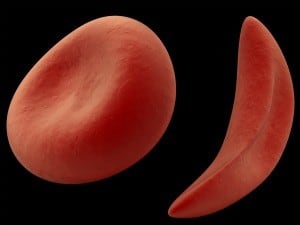
In the United States, approximately 100,000 people, primarily African-Americans, live with sickle cell anemia, a genetic disorder in which red blood cells, which should be round, can take on abnormal, crescent-like shapes. These sickle cells are stickier than regular cells and can block blood flow, resulting in pain, organ damage and strokes.
Cerebral infarcts occur when blood vessels in the brain get blocked. Silent cerebral infarcts do not cause any obvious symptoms, so people are unaware that something is wrong. The only way to detect a silent stroke is with magnetic resonance imaging (MRI) scans of the brain, which are not routinely conducted in people with sickle cell anemia. Silent infarcts in children with sickle cell disease are known to be associated with long-term cognitive problems and poor academic performance.
“If scientists detect silent strokes early, young children can benefit from a wide array of educational interventions and can get support from federally mandated educational assistance programs to keep them from falling behind in school,” said Michael R. DeBaun, M.D., from Vanderbilt University, Nashville, the lead author and principal investigator for the trial.
Previous studies have demonstrated that blood transfusions may help prevent stroke in patients with sickle cell anemia. Transfusions of healthy blood increase the number of normal red blood cells and make the occurrence of blocked blood vessels less likely. In the current study, Dr. DeBaun and his colleagues investigated whether monthly blood transfusions would help prevent recurrence of silent cerebral infarcts in children with sickle cell anemia who had evidence of a previous incident.
In this multi-center international clinical trial, 1,074 children had MRI scans and 35 percent had silent infarcts. The 196 children with sickle cell anemia who exhibited infarct-like lesions on brain scans were randomized to receive regular blood transfusions or standard medical care. The blood transfusions were administered every month for three years.
The investigators’ results show that receiving blood transfusions on a regular basis prevented the recurrence of silent strokes. In the standard medical care group, 14.4 percent of patients experienced a stroke or new silent cerebral infarcts. Among patients who received regular blood transfusions, only 6.1 percent experienced a stroke or new silent cerebral infarct.
“The study provides clear evidence that we may be able to decrease the progression of silent strokes, which occur in 30 percent of children with sickle cell anemia. These results suggest that children who have this disease should be screened early for silent strokes, at least by the time they begin elementary school, to help them manage the disease and to ensure minimal impact on school performance,” said Dr. DeBaun.
The researchers noted that this trial included a very intense regimen for the patients, who were as young as 5 years old, and for their families. “One of the reasons we conducted this study was to check if the burden of the blood transfusion therapy, such as monthly doctor’s visits, was worth the potential benefits,” said Deborah Hirtz, M.D., program director at the NIH’s National Institute of Neurological Disorders and Stroke, which provided funding for the study. Some risks linked to blood transfusions include severe allergic reactions and high levels of iron throughout the body.
“The commitment of the children and their parents, many of whom were working poor families, was quite impressive.  Despite the burden of a three-year intensive trial, 86 percent of the participants completed all aspects of the trial including 36 months of transfusion therapy, three non-sedated MRI scans, multiple neurology evaluations, two two-hour cognitive testing sessions, and two quality of life assessments,” said Dr. DeBaun.
An unexpected result, according to the researchers, was that intelligence measures were not different between the two study groups. Previous studies from this trial and others have shown that silent strokes are associated with a five-point reduction in IQ. This issue will be further explored by the investigators.
“The study indicates that screening for silent strokes in children starting school can lead to early detection and prevention of recurrences as well as reduction in other complications of sickle cell anemia such as acute episodes of pain and acute chest syndrome. The results of this trial will make a difference to children with sickle cell anemia and their families,” said Dr. Hirtz.
This work was supported by grants from the NINDS (NS042804) and the NIH’s National Heart Lung and Blood Institute (HL091759).

Progress in Reducing Urban Air Toxics Across the United States

Large wind farms in certain areas of the U.S. appear to affect local land surface temperature, according to a UAlbany-led research team.

Today, the U.S. Environmental Protection Agency (EPA) released the Second Integrated Urban Air Toxics Report to Congress – the final of two reports required under the Clean Air Act (CAA) to inform Congress of progress in reducing public health risks from urban air toxics.

“This report gives everyone fighting for clean air a lot to be proud of because for more than 40 years we have been protecting Americans – preventing illness and improving our quality of life by cutting air pollution – all while the economy has more than tripled,” said EPA Administrator Gina McCarthy. “But we know our work is not done yet. At the core of EPA’s mission is the pursuit of environmental justice – striving for clean air, water and healthy land for every American; and we are committed to reducing remaining pollution, especially in low-income neighborhoods.”

Using national emissions and air quality data, the Urban Air Toxics Report shows the substantial progress that has been made to reduce air toxics across the country since the Clean Air Act Amendments of 1990.

A 66 percent reduction in benzene;

A nearly 60 percent reduction in mercury from man-made sources like coal-fired power plants;

An 84 percent decrease of lead in outdoor air, which slows brain development in children;

The removal of an estimated 1.5 million tons per year of air toxics like arsenic, benzene, lead and nickel from stationary sources and another 1.5 million tons per year (about 50 percent) of air toxics from mobile sources. This is significant because air toxics (also referred to as hazardous air pollutants or HAPs) are known or suspected of causing cancer and can damage the immune, respiratory, neurological, reproductive and developmental systems;

And, approximately 3 million tons per year of criteria pollutants, like particulate matter and sulfur dioxide, have been reduced as co-benefits of air toxics reductions.

Reducing toxics is a top priority for EPA, and even with this progress, we continue to improve our understanding of them, so we can effectively reduce remaining risks, particularly in overburdened communities. EPA’s Plan EJ 2014, is making sure environmental justice is addressed in programs and policies across the agency. EPA is working closely with state, local and tribal agencies to promote area-wide and regional strategies to address air toxics and support a number of community-based programs that help communities understand, prioritize and reduce exposures to toxic pollutants in their local environment. For example, in Indianapolis, we are working with partners on the ground through an EPA grant for the “Building Lead Safe Communities” Project in the Martindale-Brightwood and Nearwest neighborhoods. We’re addressing the risk of toxic lead exposure in children through outreach efforts and compiling block level soil lead data, identifying hotspots utilizing air sampling and developing synergistic local solutions.


Are failing bees our warning sign?

Are failing bees our warning sign? image
It’s become something of a rite of spring. Every March, newspaper stories sprout about local beekeepers opening their hives to find an ongoing environmental mystery.
Instead of hungry bees ready for the first flights of spring, honeycombs that should be empty after a long winter are full, and instead the hives are empty. For some reason, during winter’s coldest months, these bees chose to leave the hive to perish outside.
Colony collapse disorder, as the condition is known, remains a mystery with troubling implications for the fate of the human food supply, which depends, in part, on pollinators like the honeybee. Explanations that have been offered include pathogens, modern beekeeping practices, malnutrition, climate change, and pesticides.
It is that last possible cause that stands out to Harvard School of Public Health’s (HSPH) Chengsheng (Alex) Lu, an associate professor of environmental exposure biology, who believes that the potential human health implications of colony collapse disorder extend beyond the drop in pollination — though that is worrisome enough — to the impact on humans of long exposure to low-level poisons like neonicotinoid pesticides, which have been suspected in the bee disorder. To Lu, it is an open question whether there are links between the pesticide and the recent increase in neurological conditions in children such as autism and ADHD.
To get to the bottom of the mystery, Lu has conducted pioneering research on the impact of neonicotinoid pesticides on honeybees. In a study published in 2012, he replicated colony collapse disorder experimentally, feeding bees sugar water with different levels of neonicotinoids over 13 weeks in the summer and watching what happened.
At first, nothing did. The hives seemed unaffected and healthy as they got ready for winter. Then, the week before Christmas, roughly three months after the neonicotinoid treatment was halted, hives began to fail. Eventually 15 of 16 hives collapsed, even those treated with the lowest dose.
The work was noted for providing a concrete link to neonicotinoids, which are the world’s most widely used group of insecticides.
One particularly disturbing aspect of the work, which Lu described during a lunchtime “Hot Topics” talk on Aug. 12 at HSPH’s Kresge Building, is that the bees that abandoned the hive during the collapse weren’t the individuals that ate the sugar water laced with neonicotinoids. During summer’s period of high activity, bees live just 35 days, so the colony that collapsed contained the next generation of bees, indicating that the effect may have been passed on between generations.
Lu has continued to investigate the possible links among neonicotinoids, bees, and human health, saying the honeybee is a good model organism for potential pesticide impact, as well as for potential effects across generations.
Neonicotinoids, chemicals similar to the nicotine produced by tobacco plants, have become widespread in part because of their ease of use, Lu said. Because they’re water-soluble, the chemicals are taken up by a plant and spread throughout its tissues. Seed companies have made distribution even easier for farmers by coating seeds with the chemical, which ensures the plants sprouting from them contain the pesticide.
The chemicals are present not just in food plants, but are also widely represented in nursery stock, including plants sold at major garden retailers, Lu said. They’re also found in the environment, and Lu said there are questions about their role in the loss of birds and aquatic invertebrates.
Lu described it as a race against time to save the bees, which are routinely transported around the country by commercial beekeepers to pollinate agricultural fields. He spoke to one blueberry farmer who said that before colony collapse disorder struck, he would pay $250,000 to have his fields pollinated. Today that figure stands at $750,000, and the cost is passed on to consumers.
Lu believes that the pesticide is fed to bees by unsuspecting beekeepers. The pesticide is widely used on corn, which is used to make high-fructose corn syrup. The corn syrup is mixed with water and routinely fed to bees by commercial beekeepers.
Affected bees, which include wild honeybees, Lu said, exhibit a range of neurological conditions, including disorientation, flying back to the wrong colonies, and abandoning colonies in winter.
“The [phrase] ‘bee-line’ is no longer valid,” Lu said. “The question … is do these things also apply to human health?”

Bats bolster brain hypothesis, maybe technology

Decades of research on how bats use echolocation to keep a focus on their targets not only lends support to a long debated neuroscience hypothesis about vision but also could lead to smarter sonar and radar technologies.

Amid a neuroscience debate about how people and animals focus on distinct objects within cluttered scenes, some of the newest and best evidence comes from the way bats “see” with their ears, according to a new paper in the Journal of Experimental Biology. In fact, the perception process in question could improve sonar and radar technology.
Bats demonstrate remarkable skill in tracking targets such as bugs through the trees in the dark of night. James Simmons, professor of neuroscience at Brown University, the review paper’s author, has long sought to explain how they do that.
It turns out that experiments in Simmons’ lab point to the “temporal binding hypothesis” as an explanation. The hypothesis proposes that people and animals focus on objects versus the background when a set of neurons in the brain attuned to features of an object all respond in synchrony, as if shouting in unison, “Yes, look at that!” When the neurons do not respond together to an object, the hypothesis predicts, an object is relegated to the perceptual background.
Because bats have an especially acute need to track prey through crowded scenes, albeit with echolocation rather than vision, they have evolved to become an ideal testbed for the hypothesis.
“Sometimes the most critical questions about systems in biology that relate to humans are best approached by using an animal species whose lifestyle requires that the system in question be exaggerated in some functional sense so its qualities are more obvious,” said Simmons, who plans to discuss the research at the 2014 Cold Spring Harbor Asia Conference the week of September 15 in Suzhou, China.
A focus of frequencies
Here’s how he’s determined over the years that temporal binding works in a bat. As the bat flies it emits two spectra of sound frequencies — one high and one low — into a wide cone of space ahead of it. Within the spectra are harmonic pairs of high and low frequencies, for example 33 kilohertz and 66 kilohertz. These harmonic pairs reflect off of objects and back to the bat’s ears, triggering a response from neurons in its brain. Objects that reflect these harmonic pairs in perfect synchrony are the ones that stand out clearly for the bat.
Of course it’s more complicated than just that. Many things could reflect the same frequency pairs back at the same time. The real question is how a target object would stand out. The answer, Simmons writes, comes from the physics of the echolocation sound waves and how bat brains have evolved to process their signal. Those factors conspire to ensure that whatever the bat keeps front-and-center in its echolocation cone will stand out from surrounding interference.
The higher frequency sounds in the bat’s spectrum weaken in transit through the air more than lower frequency sounds. The bat also sends out the lower frequencies to a wider span of angles than the high frequencies. So for any given harmonic pair, the farther away or more peripheral a reflecting object is, the weaker the higher frequency reflection in the harmonic pair will be. In the brain, Simmons writes, the bat converts this difference in signal strength into a delay in time (about 15 microseconds per decibel) so that harmonic pairs with wide differences in signal strength end up being perceived as way out of synchrony in time. The temporal binding hypothesis predicts that the distant or peripheral objects with these out-of-synch signals will be perceived as the background while front-and-center objects that reflect back both harmonics with equal strength will rise above their desynchronized competitors.
With support from sources including the U.S. Navy, Simmons’s research group has experimentally verified this. In key experiments (some dating back 40 years) they have sat big brown bats at the base of a Y-shaped platform with a pair of objects – one a target with a food reward and the other a distractor – on the tines of the Y. When the objects are at different distances, the bat can tell them apart and accurately crawl to the target. When the objects are equidistant, the bat becomes confused. Crucially, when the experimenters artificially weaken the high-pitched harmonic from the distracting object, even when it remains equidistant, the bat’s acumen to find the target is restored.
In further experiments in 2010 and 2011, Simmons’ team showed that if they shifted the distractor object’s weakened high-frequency signal by the right amount of time (15 microseconds per decibel) they could restore the distractor’s ability to interfere with the target object by restoring the synchrony of the distractor’s harmonics. In other words, they used the specific predictions of the hypothesis and their understanding of how it works in bats to jam the bat’s echolocation ability.
If targeting and jamming sound like words associated with radar and sonar, that’s no coincidence. Simmons works with the U.S. Navy on applications of bat echolocation to navigation technology. He recently began a new research grant from the Office of Naval Research that involves bat sonar work in collaboration with researcher Jason Gaudette at the Naval Undersea Warfare Center in Newport, R.I.
Simmons said he believes the evidence he has gathered about the neuroscience of bats not only supports the temporal binding hypothesis, but also can inspire new technology.
“This is a better way to design a radar or sonar system if you need it to perform well in real-time for a small vehicle in complicated tasks,” he said.

 
In addition to the Office of Naval Research (grants: N00014-04-1-0415, N00014-09-1-0691), support for Simmons’ research comes from the National Science Foundation (IOS-0843522), the National Institutes of Health (R01-MH069633), the NASA/RI Space grant, and the Brown Institute for Brain Science.

Smokers consume same amount of cigarettes regardless of nicotine levels

Cigarettes with very low levels of nicotine may reduce addiction without increasing exposure to toxic chemicals, according to a new study from the University of Waterloo.
The study published in the journal Cancer Epidemiology monitored the smoking behaviours of 72 adults as they switched to three types of cigarettes with markedly reduced nicotine levels.
Unlike when smokers switch between conventional cigarette brands—all of which have very similar levels of nicotine content—the study found no change in participants’ puffing behaviour, number of cigarettes consumed or levels of toxic chemicals in their systems.
The landmark findings may ease concerns that smokers would increase their consumption of cigarettes or puff harder if governments reduced nicotine levels to negligible amounts.
“One of the primary barriers to reducing nicotine levels is the belief that individuals who continue to smoke will smoke more cigarettes in an effort to extract the same nicotine levels, thereby exposing themselves to greater amounts of toxic chemicals. Our findings suggest this is not the case,” said Professor David Hammond, of the Faculty of Applied Health Sciences at Waterloo, and lead author on the paper. “The smokers were unable or unwilling to compensate when there was markedly less nicotine in the cigarette and when the experience of smoking is far less rewarding.”
The cigarettes used in the study—Quest 1, Quest 2 and Quest 3—had a nicotine content of 8.9, 8.4 and 0.6 mg, respectively, as opposed to an average of 12 mg in a regular cigarette.
“There is ample evidence from inside and outside the tobacco industry that major reductions in the nicotine content of cigarettes would result in a less-addictive product,” said Professor Hammond. “Overall, the impact of a less-addictive cigarette on reducing smoking uptake and cancer prevention is potentially massive.”

At time of the study, Quest cigarettes were the only commercially available cigarettes in the world with significantly reduced nicotine levels.